
Halloween this year isn’t just about pumpkins and costumes — it’s also about brands leaning into bold stories, limited-edition drops and shareable experiences. Here are ten of the most interesting campaigns this year, what made them effective, and what you can learn if you’re planning your own seasonal activation.
. Fanta × Universal Pictures / Blumhouse Productions — “Haunted Fanta Factory”
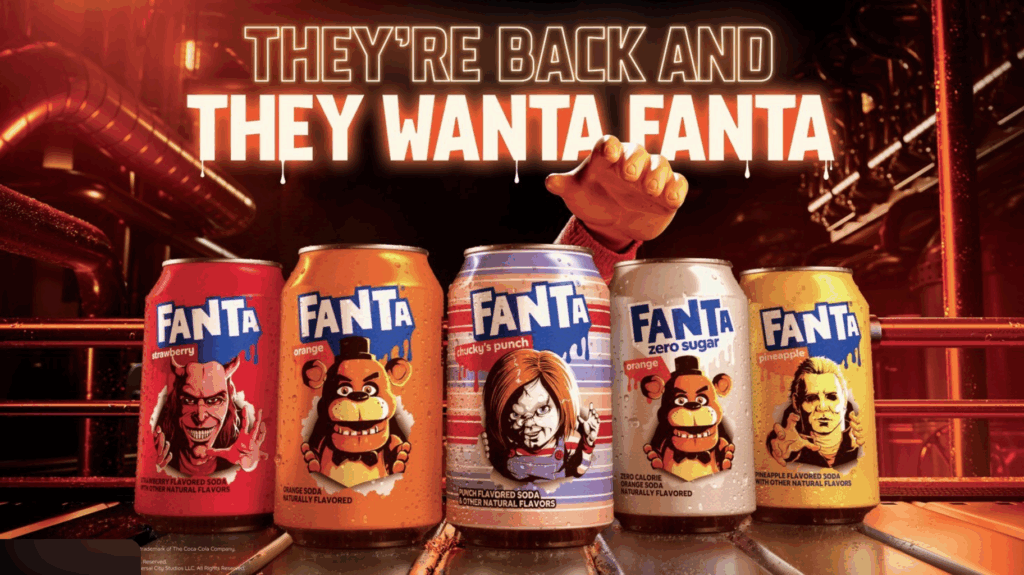
What they did: Fanta collaborated with Universal and Blumhouse to release horror-icon themed collectible cans, a pop-up experience labelled the “Haunted Fanta Factory”, and special product drops timed for Halloween.
Why it worked: It turned a refreshing beverage into a seasonal event, tapped cultural fandom (horror films), and added collectible scarcity.
Takeaway: Use your brand’s product as a moment in culture, not just decoration.
Burger King — “Monster Menu”
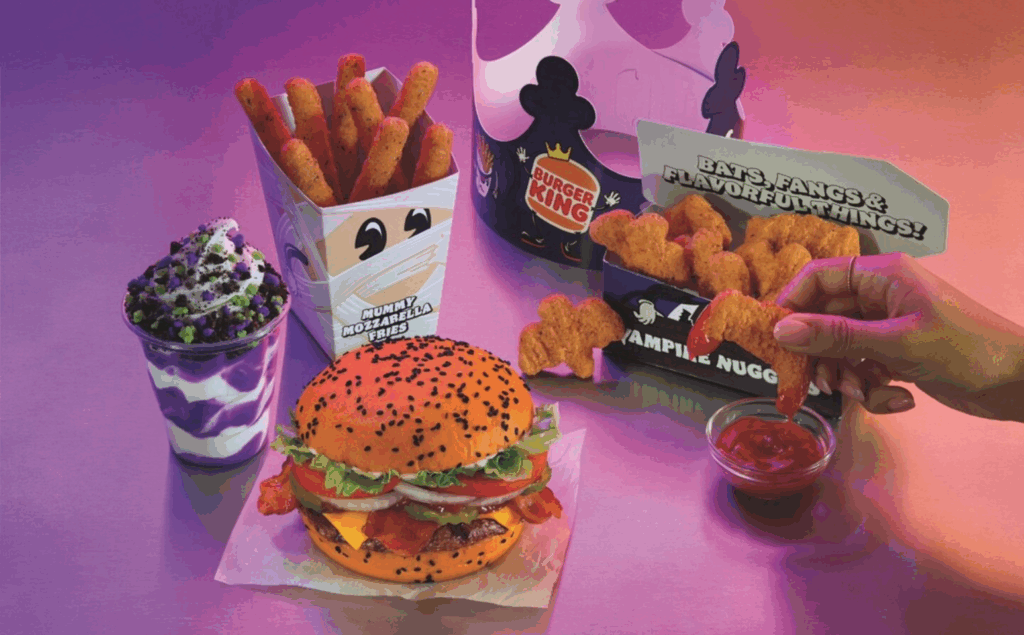
What they did: Burger King launched a special “Monster Menu” in the UK with Halloween-inspired variations, Halloween buckets, and a strong app/social push.
Why it worked: Food is naturally tied to celebration; by giving it a seasonal twist, the campaign felt timely and relevant.
Takeaway: If your product fits a ritual (e.g., eating out, snacking, parties), a seasonal menu change can engage on multiple levels.
Heinz Brazil — “Mayo Halloween”
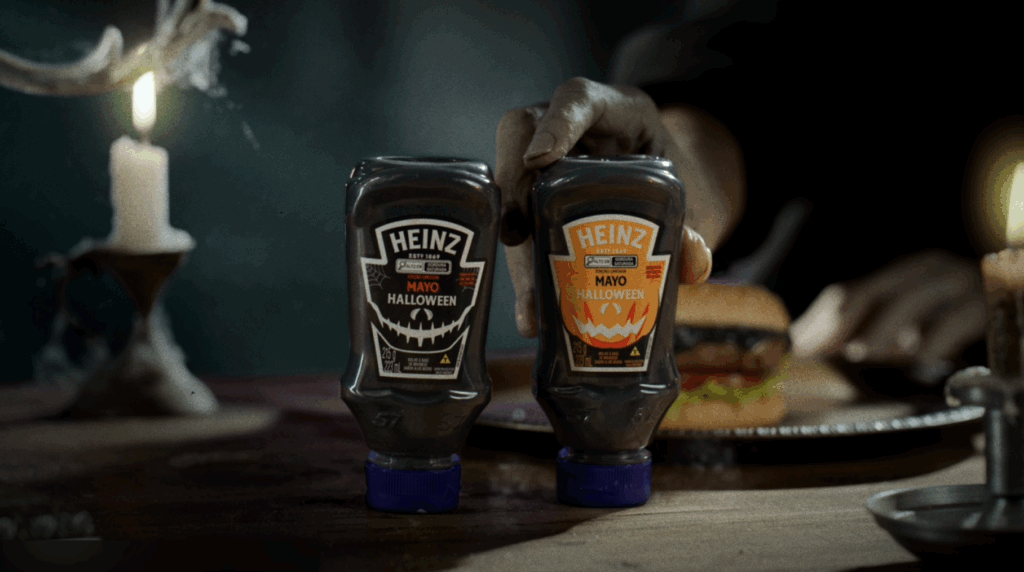
What they did: Heinz in Brazil introduced a black-garlic mayonnaise with Halloween-themed packaging and messaging.
Why it worked: It didn’t just dress up the packaging—it shifted the flavour, making the product itself part of the story.
Takeaway: Seasonal campaigns can go deeper by altering the product itself (taste, colour), not just the branding.
Bacardi — “Skeleton Bottle + Halloween Mix”
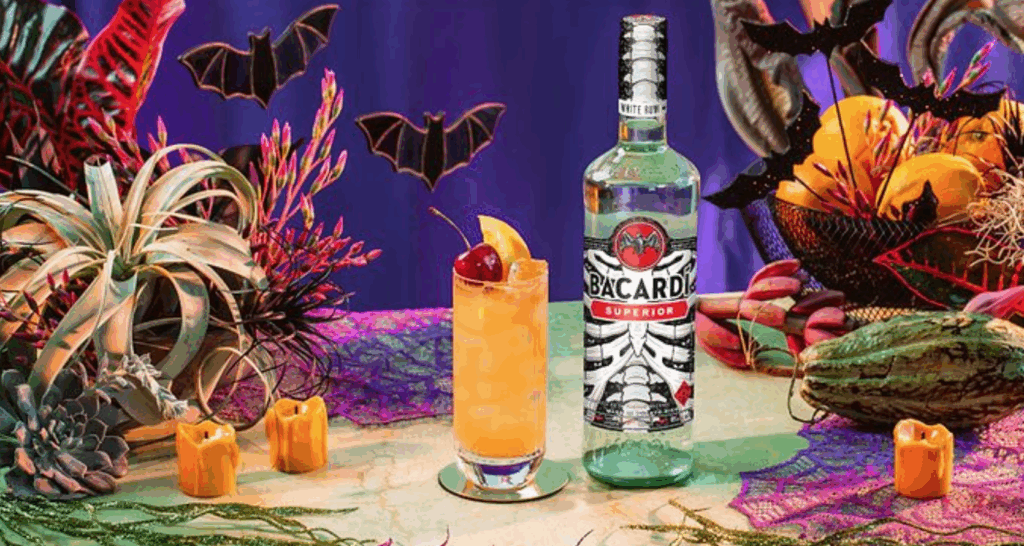
What they did: Bacardí introduced a skeleton-themed bottle for Halloween, backed by cocktail content and experiential events aimed at Halloween adult audiences.
Why it worked: It aligned the product with lifestyle and occasion, giving consumers something collectible and shareable.
Takeaway: For adult or premium brands, link your product to the occasion through limited packaging + experience.
Dunkin’ — “Spider Donut, Candy Bar Latte & Collectible Bucket”
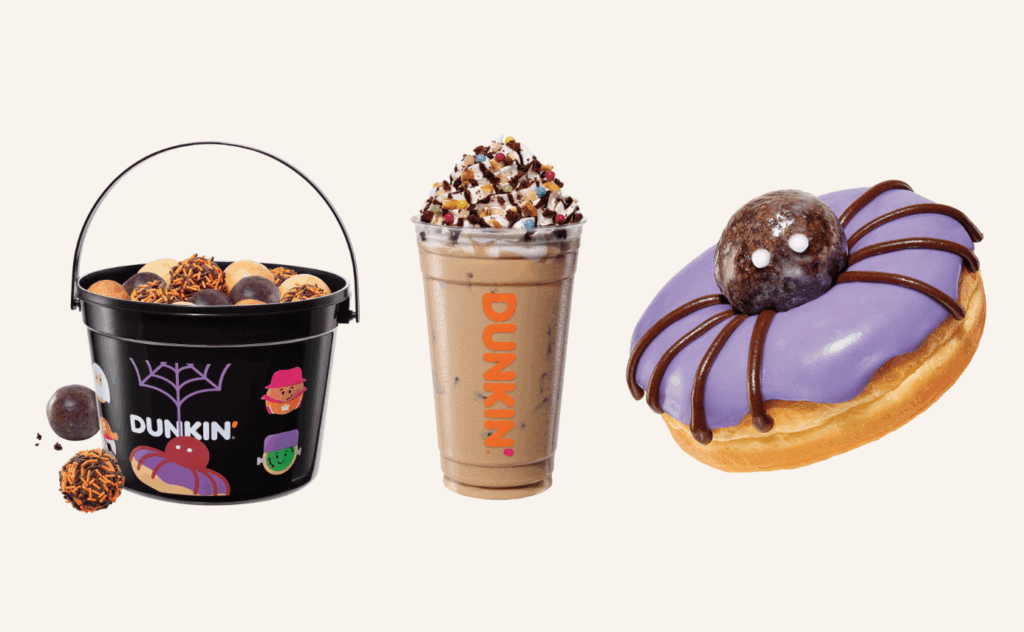
What they did: Dunkin’ rolled out a Halloween-specific menu (Spider Donut, themed latte), and collectible merchandise (buckets, plush toys).
Why it worked: It created physical items consumers wanted to get and share. The menu and merch gave multiple ways for engagement.
Takeaway: Think beyond just “Halloween visuals” — add items people will talk about, buy, post.
Haribo — “Sourest City Pop-Up + New Sour Sodas”
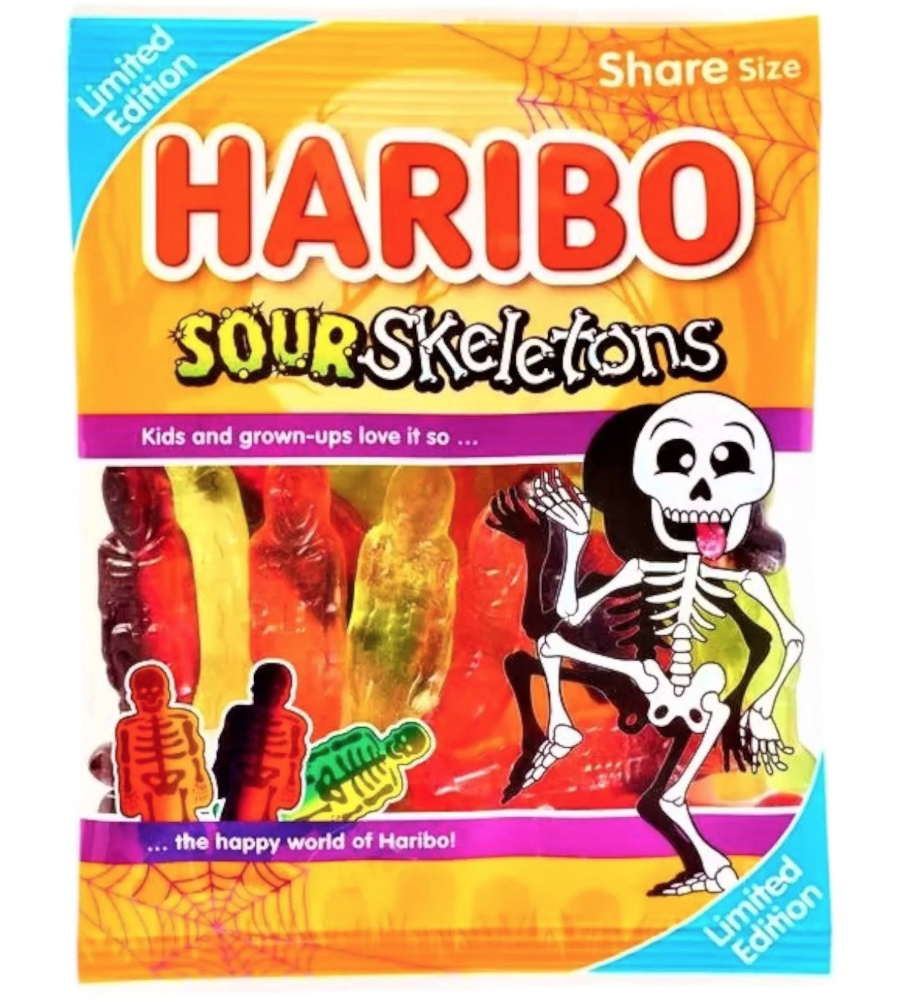
What they did: Haribo introduced new sour soda flavours for Halloween and created a pop-up experience (“Sourest City”) to create buzz.
Why it worked: Limited flavours + event activation + shareable visuals make for strong seasonal momentum.
Takeaway: Limited-edition flavour drops + experiences amplify brand impact during seasonal windows..
LEGO — “Brick-or-Treat Monster Party & Early Set Reveal”
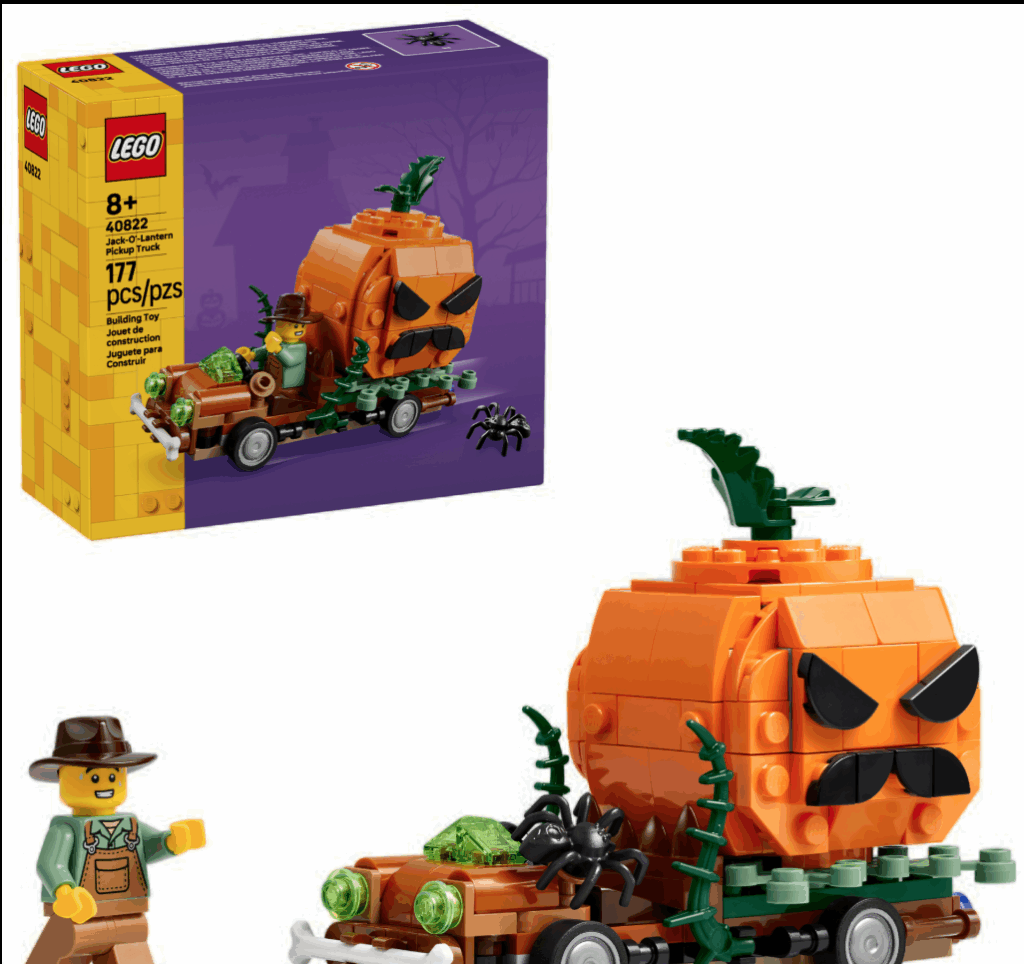
What they did: LEGO revealed Halloween-themed sets ahead of the season and supported them with an event at LEGOLAND called “Brick-or-Treat Monster Party.”
Why it worked: Early reveal built anticipation; physical event tied the product to real-world family fun.
Takeaway: Pre-season teasing + family-friendly activation = seasonal success.
IKEA — “KUSTFYR Décor Collection”
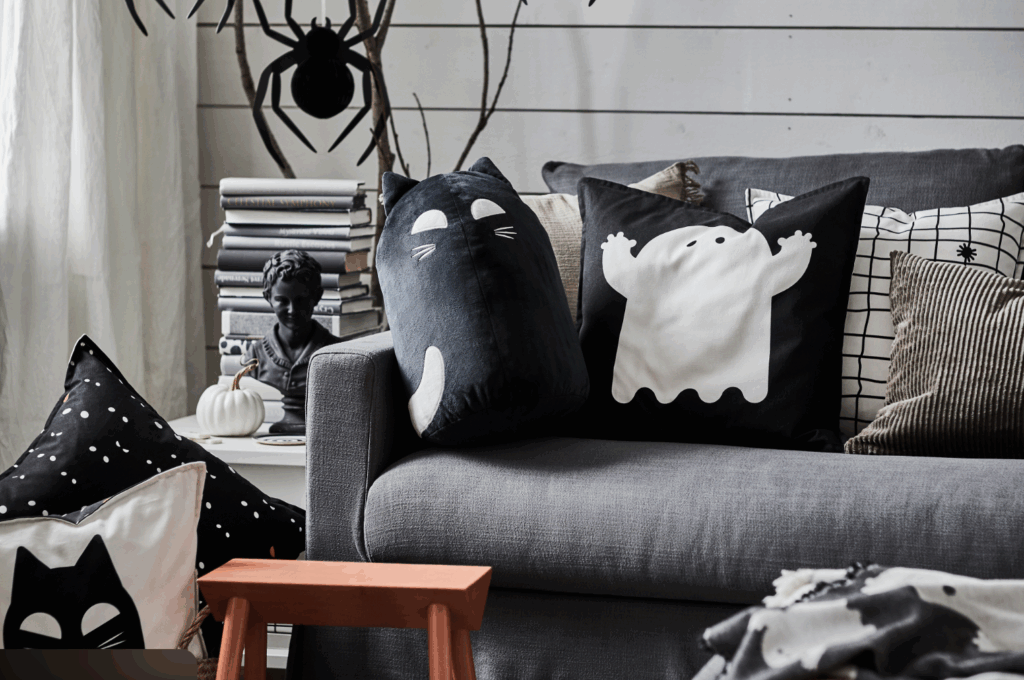
What they did: IKEA launched a Halloween décor line (KUSTFYR) that focused on stylish, affordable decorations rather than purely scary aesthetics.
Why it worked: It stayed true to IKEA’s brand (design + affordability) and offered pieces that live beyond Halloween.
Takeaway: Seasonal campaigns don’t have to copy the fear motif — align with brand identity and give longevity.
Maybelline — “Try-On-If-You-Dare: Virtual Halloween Looks”
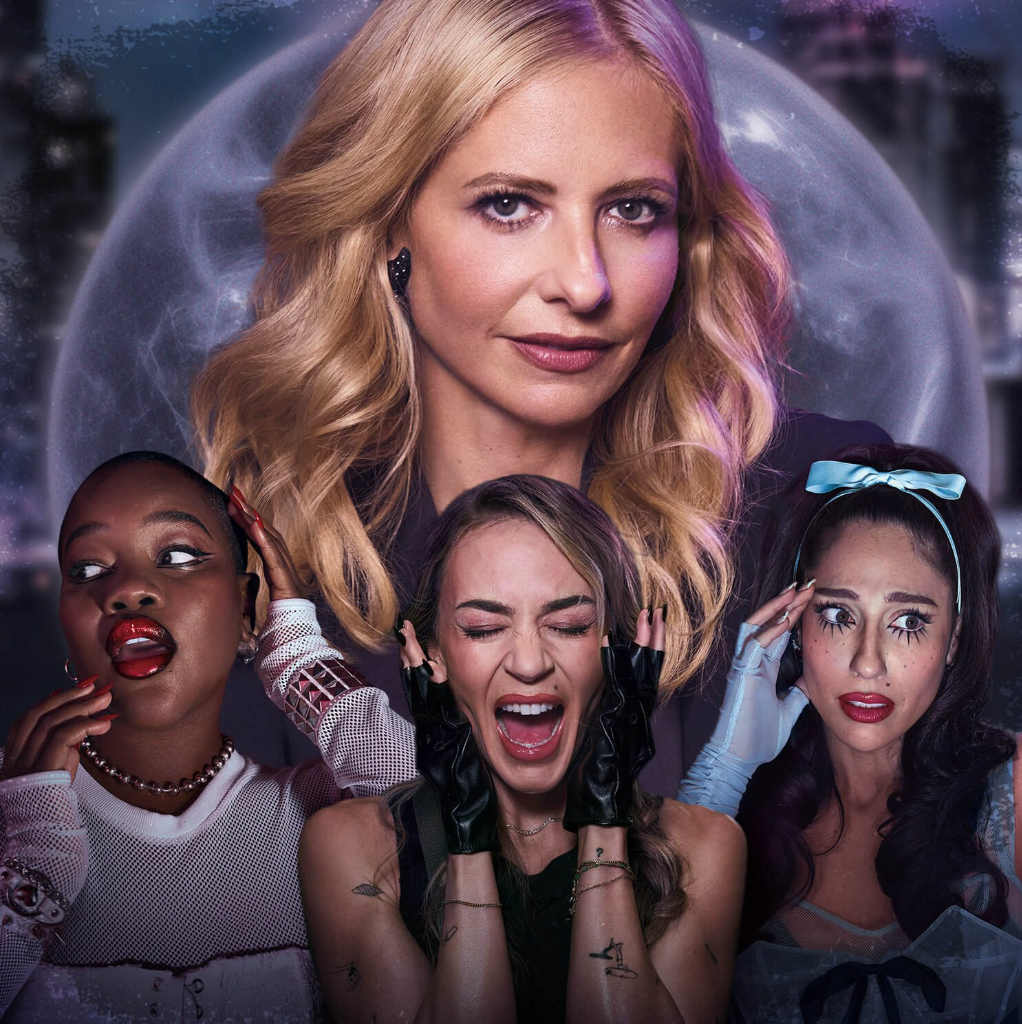
What they did: Maybelline created virtual try-on experiences, tutorials and Halloween-look content that pushed engagement and drove e-commerce.
Why it worked: It gave users a tool (AR/virtual try-on) instead of just a promotion, aligning with how beauty audiences engage.
Takeaway: For beauty and lifestyle brands, tools that let your audience play + share work very well.
Pringles — Glow-in-the-Dark Halloween Tubes
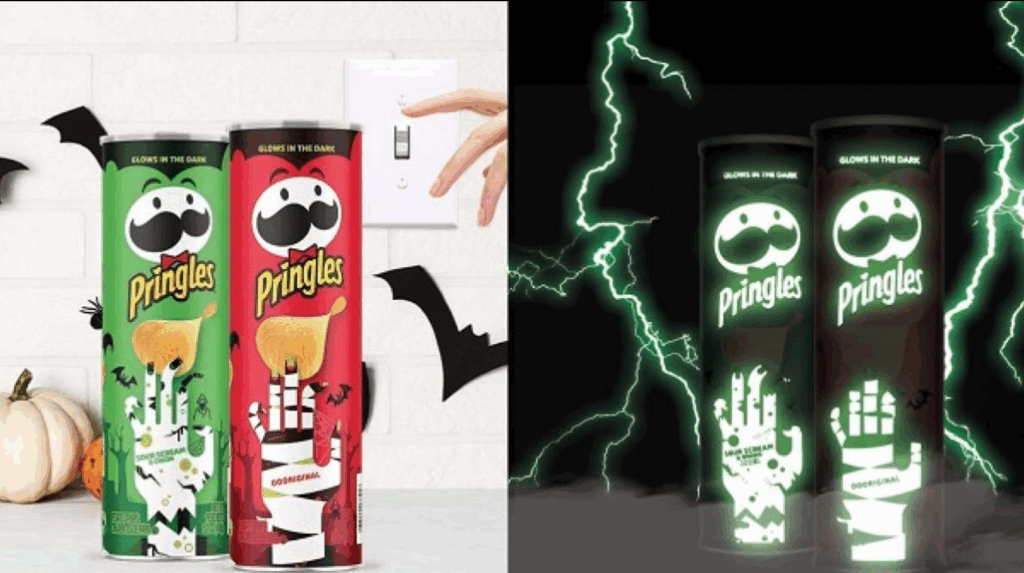
What they did: Pringles introduced glow-in-the-dark tubes in the UK for the first time, in flavours like Hot Hauntin’ Sour Cream and Hot Scary BBQ Ribs. The packaging “charges” under light and glows in the dark
Why it worked: Packaging became part of the décor. A simple snack turn into a conversation piece + shareable item.
Takeaway: Even simple product changes (packaging innovation) can capture attention if tied to seasonal mood and share-worthy format.
Final Thoughts
Halloween has become more than a single day—it’s a season brands can truly own. The campaigns above show how smart brands aren’t just decorating for the occasion, they’re telling a story, giving people something they’ll remember and share. If you’re planning for next year (or even a late-season push this year), build the idea that people will talk about, share, and interact with — not just pass by.
📩 Reach out to our team to start testing your designs today—before your audience scrolls past. Or visit www.re4m.io to get started now!